What US Bettors Can Steal From Asia's Crypto Wagering Playbook

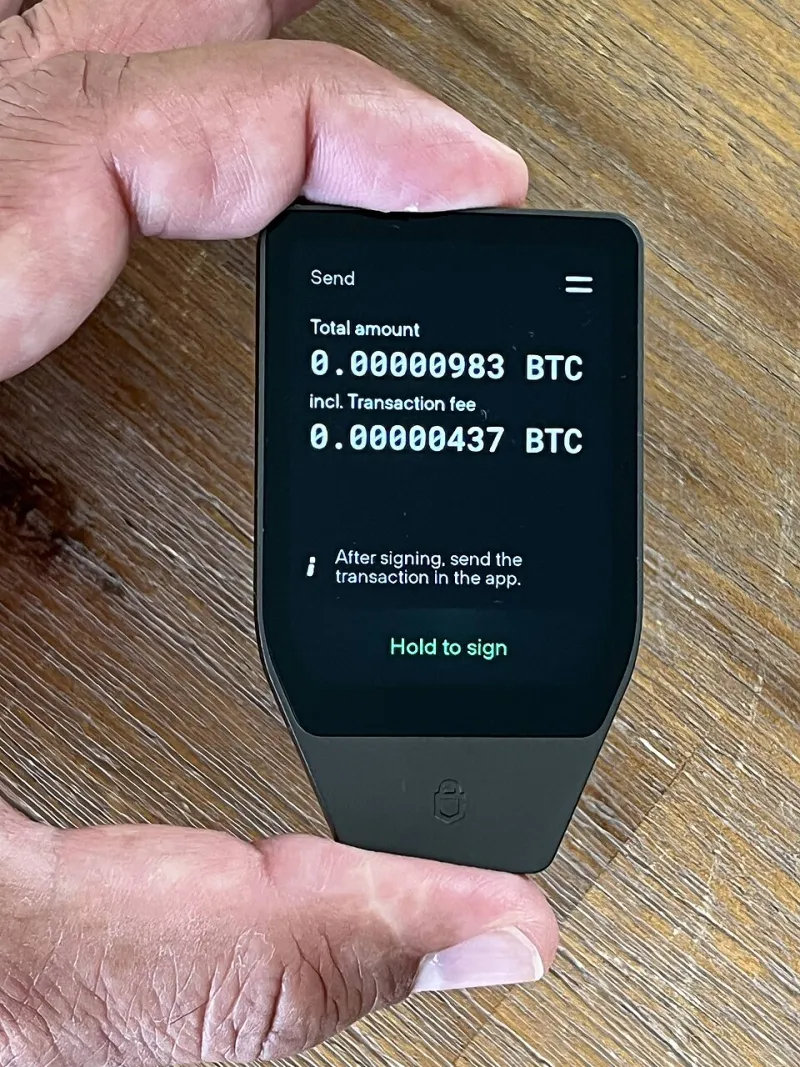
Photo: Quintin Soloviev, CC BY 4.0, via Wikimedia Commons
There's a reason professional poker players study opponents from different countries. Different regulatory environments breed different strategies. The same logic applies to sports betting — and right now, some of the sharpest crypto wagering minds on the planet are operating out of Seoul, Manila, and a handful of other Asian cities where the rules of the game look nothing like they do in the US.
We're not suggesting you do anything sketchy. What we are saying is that the structural approaches these bettors use — the bankroll discipline, the odds arbitrage habits, the multi-platform thinking — are completely transferable. And most American bettors are leaving serious value on the table by ignoring them.
Why Asia Became the Proving Ground for Crypto Betting
In many parts of Asia, access to traditional licensed sportsbooks is either restricted or heavily controlled. That friction forced a generation of sharp bettors to get creative. When crypto platforms started emerging, Asian syndicates were among the first to recognize that decentralized wagering solved problems they'd been dealing with for years — fast cross-border settlements, privacy, and access to global markets without currency conversion headaches.
The Philippines in particular became a hub for professional betting operations. Regulatory gray areas there allowed organized groups to develop and test strategies at scale. Korean bettors, operating under some of the strictest domestic gambling laws in the world, got very good at working with offshore crypto books and squeezing inefficiencies out of every wager.
The result? A generation of Asian crypto bettors who are genuinely ahead of the curve on things like line shopping, crypto bankroll management, and multi-book arbitrage.
The Bankroll Philosophy That Actually Works
One of the biggest differences between how casual US bettors approach their bankroll and how serious Asian syndicates operate comes down to unit sizing and variance tolerance.
Most recreational American bettors pick a number they're comfortable losing and bet emotionally from there. Asian sharp bettors — particularly the syndicate-style operations out of Southeast Asia — treat their bankroll like a trading portfolio. Every bet is a position. Every position has a defined size relative to total capital.
The standard approach you'll see referenced in conversations with professional bettors from this region is a flat unit model, where no single wager exceeds 1-2% of total bankroll. That sounds conservative until you realize these same operations are placing dozens of bets across multiple platforms simultaneously. The aggregate exposure is calculated, not casual.
For US crypto bettors, the takeaway is straightforward: stop thinking in dollar amounts and start thinking in units. If your bankroll is $2,000 in USDC sitting on a crypto sportsbook, your unit size is $20-40. That's it. The discipline comes from never deviating, regardless of how confident you feel about a particular game.
Cross-Platform Odds Arbitrage: The Asian Way
Line shopping is not a new concept, but Asian crypto bettors have turned it into an art form. Because many of them operate across multiple platforms simultaneously — some licensed, some offshore — they've built habits around comparing odds before placing any bet.
Here's the practical version for US bettors: before locking in any wager on your primary crypto sportsbook, check at least two or three other platforms for the same line. The price differences on crypto platforms can be surprisingly wide, especially on international soccer, combat sports, and esports — markets where Asian books have more liquidity and sharper lines than US-focused books.
Some bettors take this further into true arbitrage territory, where you back both sides of a market on different platforms to guarantee a small profit regardless of outcome. This is mathematically sound and generally legal, though it requires enough capital spread across platforms to execute efficiently. Crypto makes this easier than ever because you can fund multiple accounts quickly without the friction of traditional banking.
Multi-Platform Strategy Without the Legal Headaches
Here's where American bettors sometimes get nervous — and understandably so. The US legal landscape for online sports betting is genuinely complicated, and operating across multiple offshore crypto platforms sits in a gray area that varies by state.
The approach most sharp bettors take is to maintain a primary account on a licensed, regulated platform in their state (where available) and use that as their baseline. Additional accounts on crypto-native platforms add flexibility and access to better lines on international markets. The key is keeping records — something Asian professional bettors are meticulous about, both for their own performance tracking and for tax purposes.
Crypto transactions are traceable. The IRS has made that very clear. Keeping clean records of deposits, withdrawals, and bet settlements isn't just good practice — it's essential if you're operating with any real volume.
Reading Line Movement Like a Sharp
One tactical edge that Korean and Filipino sharp bettors are known for is their ability to read line movement and understand why a line is moving before reacting to it.
When a line moves significantly on a crypto platform, there are usually two explanations: sharp money is coming in on one side, or the book is adjusting based on imbalanced public action. The difference matters enormously. Sharp money movement often signals information — injury news, weather, lineup changes — that hasn't fully circulated yet. Public action movement is just noise.
Asian syndicates track line movement across multiple books simultaneously to identify which platforms are moving first (typically sharper) versus which are following. If you see a line move on a sharp crypto book before it moves on a recreational-focused platform, that's information.
For US bettors, building this habit — even informally, just by checking a few platforms before betting — adds a layer of discipline that separates recreational wagering from strategic wagering.
The Bottom Line
You don't need to be running a syndicate out of Manila to benefit from how Asian crypto bettors think about wagering. The core principles — unit-based bankroll management, cross-platform line shopping, disciplined record-keeping, and reading market signals — are accessible to any American bettor willing to put in the work.
The crypto infrastructure that makes these strategies efficient is already here. GoBetVN exists precisely because the gap between casual betting and strategic wagering is closeable. The playbook is out there. Now it's just a matter of using it.