Your Keys, Your Bets: How Self-Custody Wallets Are Flipping the Script on Crypto Sports Betting
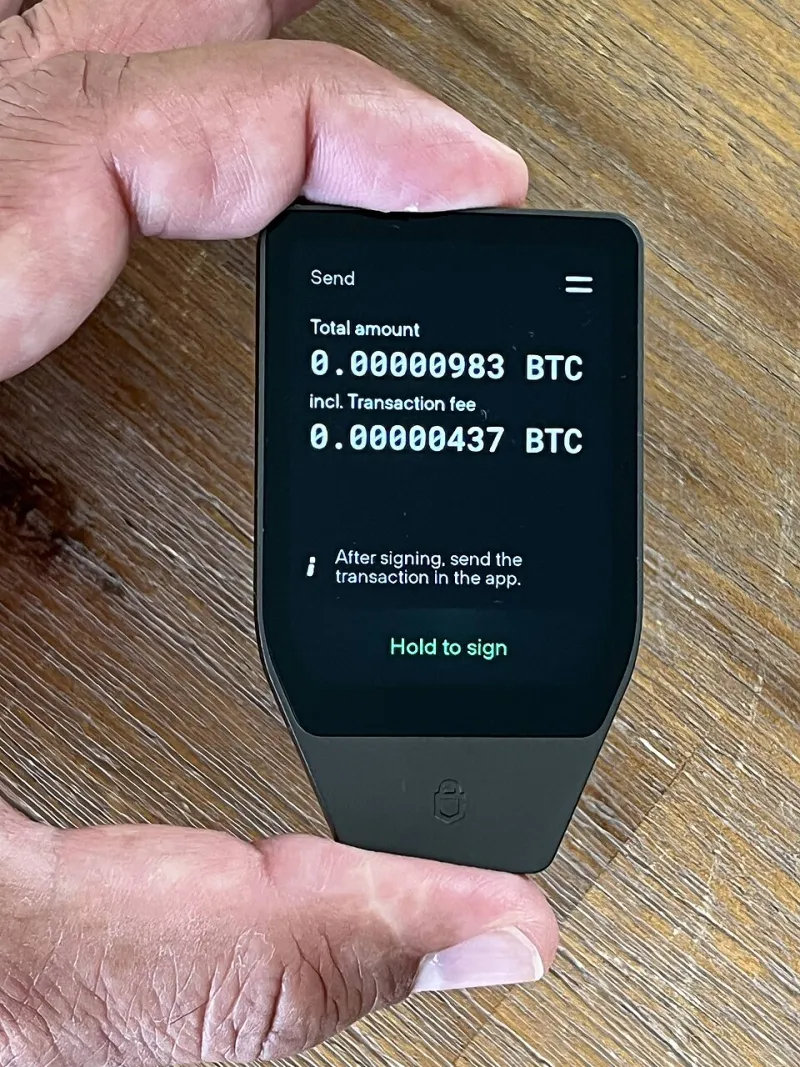
Photo: FlippyFlink, CC0, via Wikimedia Commons
There's an old saying in the crypto world: not your keys, not your coins. For years, sports bettors kind of shrugged that off. You deposited your Bitcoin, placed your wagers, cashed out — simple enough, right? But a growing number of American players are waking up to a harder truth: handing your funds over to a centralized platform is basically trusting a stranger with your bankroll. And that trust? It doesn't always hold up.
The shift toward self-custody wallet integration across crypto betting platforms isn't just a tech upgrade. It's a philosophical pivot — one that's quietly reshaping how serious bettors think about ownership, privacy, and control.
What Even Is Self-Custody, and Why Should You Care?
Let's keep it simple. When you deposit funds into a traditional sportsbook or even most crypto betting sites, those funds sit in their wallet, not yours. The platform controls access. They decide when you can withdraw, how much, and under what conditions.
Self-custody means you hold the private keys to your crypto wallet at all times. When a betting platform integrates with self-custody options — think MetaMask, Ledger, or WalletConnect-compatible setups — you're not actually depositing anything in the traditional sense. You're authorizing transactions directly from your own wallet. The funds stay under your control until the exact moment a bet is settled.
For a lot of American bettors, especially those who've been in the game long enough to remember exchange collapses or frozen accounts, this is a massive deal.
The Security Case Is Almost Too Obvious
Let's be real — centralized wallets are a honeypot. A single platform holding millions of dollars in player funds is an attractive target, whether for hackers, bad actors, or even the platform itself. We've seen exchange blow-ups. We've seen sportsbooks go dark overnight, taking player funds with them.
With self-custody integration, there's no central pool to drain. Your funds aren't sitting in a corporate wallet waiting to become someone else's problem. Even if a platform got compromised at the back end, your crypto would still be exactly where you left it — in your own wallet.
Beyond hacks, there's the issue of platform insolvency. A centralized betting site can freeze withdrawals the moment things go sideways financially. That's not hypothetical — it's happened. Self-custody removes that risk almost entirely because you never gave up control in the first place.
The UX Hurdle Nobody Wants to Talk About
Here's where things get a little less rosy. Self-custody isn't exactly plug-and-play for the average bettor. Setting up a hardware wallet, managing seed phrases, approving on-chain transactions — there's a learning curve, and for casual players just looking to throw a few bucks on the weekend NFL slate, it can feel like a lot.
Platforms trying to lead this charge are working hard to smooth out the experience. The best ones have made wallet connection nearly seamless — a few clicks, a quick signature request, and you're in. But the reality is that the UX still lags behind what you get with a traditional sportsbook login and deposit flow.
That said, the gap is closing fast. Mobile wallet integrations have improved dramatically, and platforms that are serious about self-custody are investing in cleaner interfaces to bring less tech-savvy bettors along for the ride.
The Regulatory Gray Zone (and Why It Actually Helps)
Here's a wrinkle that doesn't get enough attention: self-custody integration sits in an interesting regulatory space in the US. Because the platform never technically takes custody of your funds, the legal relationship between the bettor and the platform gets a lot more complicated to define under existing gambling laws.
This isn't a loophole — it's a structural reality. Most US gambling regulations were written with centralized fund handling in mind. When you remove that custody element, the regulatory framework gets murky in ways that, frankly, benefit privacy-conscious bettors. There's less KYC pressure, fewer mandatory reporting triggers, and a smaller paper trail — all without doing anything legally questionable.
Of course, this doesn't mean you're off the hook for taxes. The IRS still wants to know about your crypto gambling wins regardless of where your funds were sitting. But from a privacy standpoint, self-custody betting platforms offer something traditional sportsbooks simply can't match.
Who's Actually Leading the Charge?
A handful of decentralized and semi-decentralized betting platforms have made self-custody central to their pitch. Augur-style prediction markets, newer DeFi-native betting protocols, and several offshore platforms with strong crypto-first philosophies have all moved in this direction.
The traditional sportsbooks? They're not going there anytime soon. Their entire business model depends on holding your funds — it's how they manage liquidity, verify identity, and maintain regulatory compliance in licensed markets. Asking a legacy sportsbook to go self-custody is like asking a bank to let you keep your savings under your mattress. It fundamentally conflicts with how they operate.
For American bettors who want the best of both worlds — competitive odds and genuine control over their crypto — the answer increasingly lies with platforms built from the ground up with decentralized principles in mind.
Making the Switch: What You Actually Need
If you're ready to explore self-custody betting, here's a quick-start checklist:
- Get a non-custodial wallet. MetaMask is the most popular starting point for browser-based interaction. For larger bankrolls, a hardware wallet like Ledger adds another layer of security.
- Fund your wallet directly. Buy crypto through an exchange, then transfer to your personal wallet — don't leave it on the exchange.
- Look for WalletConnect support. Platforms that support WalletConnect give you the most flexibility across wallets and devices.
- Understand gas fees. On-chain transactions cost a little extra in network fees. Factor this into your bankroll math.
- Back up your seed phrase. Offline, somewhere safe. This is non-negotiable.
It's a bit more setup than punching in a credit card number, but the payoff — real ownership of your betting funds — is worth it for anyone playing with serious money.
The Bottom Line
The move toward self-custody in crypto betting isn't just a trend. It's a correction. For too long, bettors have handed over control of their funds in exchange for convenience, and that trade-off has bitten people more than once. The platforms embracing self-custody integration are betting on a future where bettors demand more — more security, more privacy, and more say over their own money.
At GoBetVN, we think that's the right call. Bet smart, control your stack, and never let anyone hold your keys but you.