Why Blockchain Receipts Are Making Crypto Sportsbooks More Trustworthy Than Vegas

Photo: blockchain digital ledger verification glowing data network, via thumbs.dreamstime.com
Let's be honest about something most Vegas promotional materials won't tell you: when you place a bet at a traditional sportsbook, you are taking the house at its word. The odds are set by proprietary systems you can't inspect. The settlement process happens behind closed doors. The house tells you whether you won or lost, and your only recourse if you disagree is a customer service line that almost certainly won't go your way.
For generations, American bettors accepted this arrangement because there was no alternative. That's no longer true.
Blockchain-based sportsbooks are introducing something the gambling industry has never really had to offer before: verifiable proof. Not promises. Not audited-by-someone-you've-never-heard-of claims. Actual cryptographic receipts that any bettor can check independently. And the psychological shift this is creating among serious US bettors is significant.
The Trust Problem With Traditional Sportsbooks
Traditional sportsbooks — whether in Vegas, Atlantic City, or your state's licensed online platform — operate on a model of institutional trust. You believe the MGM Grand or DraftKings is playing fair because they're regulated, because they have licenses, because they'd theoretically lose too much if they got caught cheating.
That logic holds up reasonably well for major operators. But it's still fundamentally faith-based. You can't independently verify that the odds you were offered were accurate. You can't confirm that a settlement was processed correctly. If a disputed bet goes against you, the burden of proof sits entirely with the platform, and the platform controls all the relevant data.
This isn't a hypothetical concern. Stories of disputed settlements, odds that shifted suspiciously after large bets were placed, and withdrawal delays that conveniently coincide with losing streaks are common enough that most experienced bettors have at least one personal anecdote. The trust model works until it doesn't.
What On-Chain Verification Actually Means
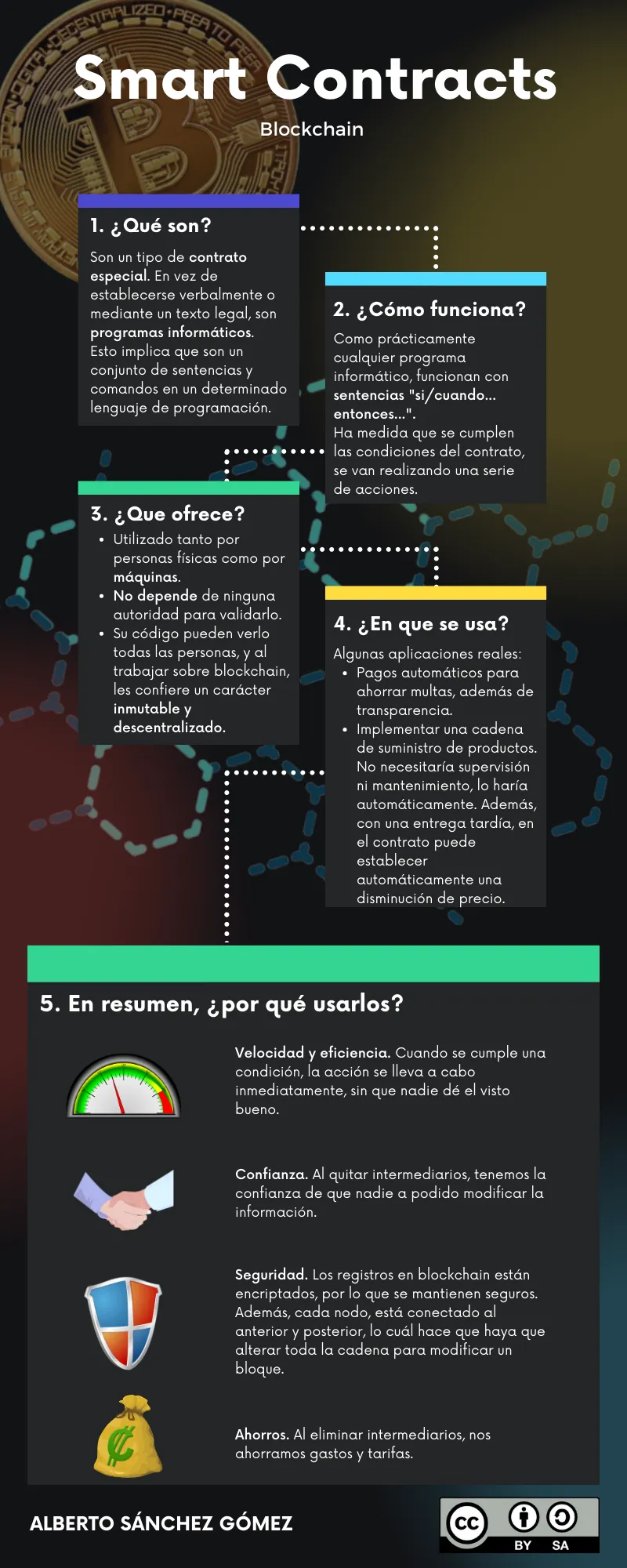
When a crypto sportsbook operates with genuine blockchain transparency, every transaction — deposits, wagers, settlements, withdrawals — gets recorded on a public ledger. This isn't marketing language. It means that the smart contract governing your bet can be read by anyone with an internet connection.
Here's what that looks like in practice: you place a bet on an NFL game. The smart contract holding your funds is publicly visible on the blockchain. The conditions for settlement — the outcome that triggers a payout — are written into that contract in code that doesn't change. When the game ends, the settlement executes automatically based on verified data feeds. Your winnings hit your wallet without anyone at the platform needing to manually approve anything.
The receipt for every step of that process lives permanently on-chain. You can verify it. Your friend can verify it. A journalist investigating the platform can verify it. That's a fundamentally different relationship between bettor and book.
Provably Fair: The Standard That Actually Matters
The term "provably fair" gets thrown around a lot in the crypto gambling space, and like most buzzwords, it's been diluted by overuse. But the underlying concept is legitimate and worth understanding.
Provably fair systems use cryptographic techniques — typically a combination of server seeds and client seeds — to generate outcomes that can be independently verified after the fact. In practice, this means that for casino-style games, you can actually confirm that the result wasn't manipulated. The math is checkable.
For sports betting specifically, provably fair mechanics apply more to the settlement and odds-recording side than to game outcomes (which are determined by real-world events). A genuinely transparent crypto sportsbook will publish its odds-setting methodology on-chain, record every bet with a cryptographic timestamp, and settle through smart contracts that execute without human intervention.
When a platform claims to be provably fair but can't point you to a publicly auditable smart contract address, that's your first red flag.
How to Spot Platforms Faking Transparency
This is where it gets important for US bettors who are shopping around. The popularity of blockchain-based wagering has attracted a wave of platforms that use the language of transparency without the substance.
Some things to watch for:
Vague audit claims. "Third-party audited" means nothing without a named auditor and a publicly accessible audit report. Ask for the documentation. If it doesn't exist or the link goes nowhere, move on.
No smart contract address. If a platform can't give you a verifiable contract address on a major blockchain, their "blockchain-based" claims are probably cosmetic. Real on-chain operations are publicly findable.
Manual settlement processes. Any platform that requires human approval for payouts is introducing a point of potential manipulation. Legitimate smart contract-based books settle automatically.
Opaque odds sourcing. Where are the odds coming from? How are they calculated? Transparent platforms can answer this clearly. Platforms that give you vague answers about "proprietary algorithms" are not offering you the verification that makes crypto betting valuable.
The Psychology of Trust Is Shifting
There's a broader cultural shift happening among American bettors, particularly younger ones who came of age in an era of institutional skepticism. The "trust us" model that worked for Vegas in the 1980s is losing ground with a generation that grew up watching institutions fail publicly and repeatedly.
Crypto-native bettors aren't just looking for better odds or faster payouts — though those matter too. They want a relationship with a platform that doesn't require blind faith. The ability to verify independently, to check the receipt, to confirm that the rules applied to their bet are the same rules that apply to everyone else — that's genuinely valuable to this demographic in a way that goes beyond the transactional.
GoBetVN operates in this space precisely because the demand for verifiable, honest wagering is real and growing. The platforms that are going to earn long-term loyalty from US bettors aren't necessarily the ones with the flashiest interfaces or the biggest sign-up bonuses. They're the ones that can show their work.
Vegas Still Has Its Advantages — But Trust Isn't One of Them
To be fair, traditional Vegas-style sportsbooks offer things that fully decentralized platforms sometimes can't match — regulatory protection, dispute resolution processes, and the kind of legal accountability that comes with operating under a state license. Those are real benefits, especially for casual bettors who aren't technically sophisticated enough to verify on-chain data themselves.
But for bettors who are willing to learn how blockchain verification works — and the learning curve is genuinely not that steep — the trust equation has shifted. When you can verify every step of a transaction independently, you're not choosing between two institutions asking for your trust. You're choosing between an institution asking for trust and a system that doesn't need you to trust it at all.
That's a different kind of confidence. And once you've experienced it, going back to the old way starts to feel a lot less comfortable.