When Your Stablecoin Stumbles: A 15-Minute Fire Drill for Crypto Bettors
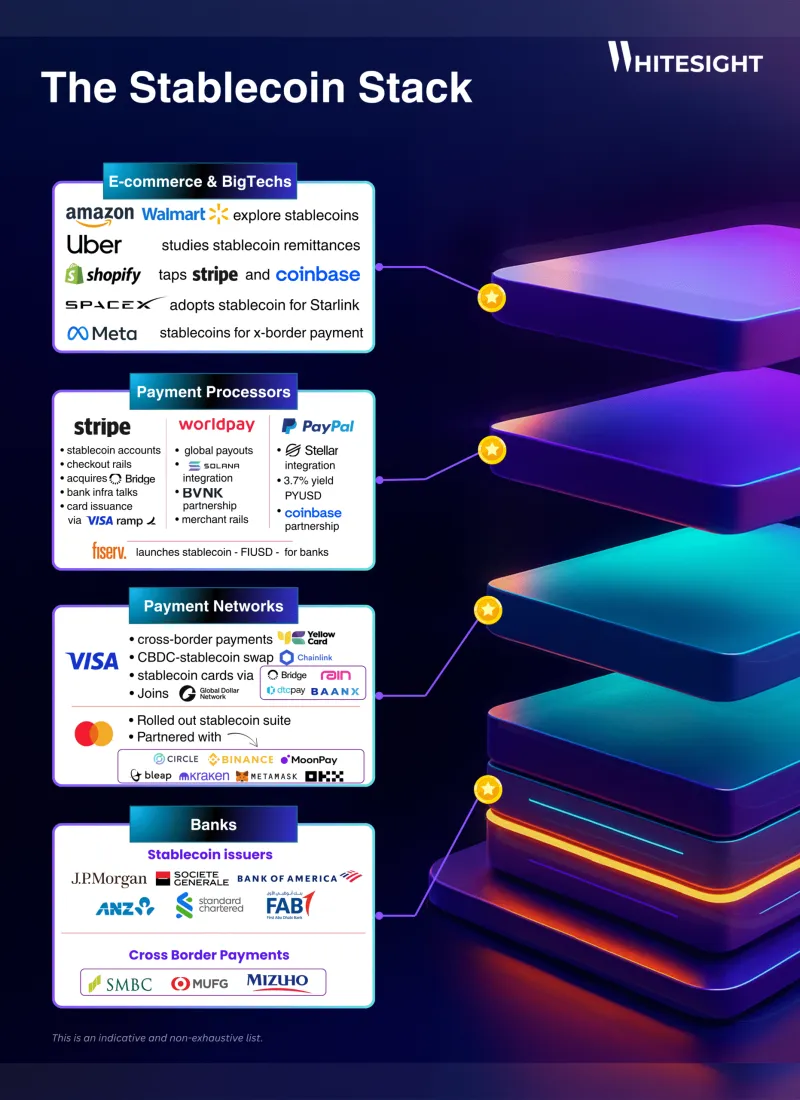
Photo: stablecoin cryptocurrency chart on phone with worried bettor, via whitesight.net
Stablecoin depegs are like fire alarms: rare enough to ignore, common enough to matter. If you keep betting dollars parked at a crypto sportsbook, a 15-minute drill is worth more than a hundred doom-scroll threads. The goal is not to predict the next wobble in USDC or USDT. The goal is to know exactly what you will do when the price blinks, the group chat panics, and every button on the withdrawal page suddenly feels like a trap.
Here is the playbook I would run if I saw a major stablecoin trading below $1 while my bankroll was sitting at a crypto sportsbook.
Minute 0-3: Check the peg, not the panic
The first move is boring: verify what is actually happening. A stablecoin 'depeg' can be a few cents on a thin exchange, a regional liquidity issue, or a genuine run. Those are very different events. Check more than one source. Look at a major spot exchange, a reputable price aggregator, and the issuer's own status page. If USDC is at $0.998 on one venue and $1.00 everywhere else, you are probably looking at noise, not a crisis.
Do not immediately convert everything at a loss because a screenshot in a Telegram group says the sky is falling. Panic-clicking is a real risk. It turns a temporary quote into a permanent loss, and it often pays unnecessary fees on top. In the first three minutes, your job is information gathering, not heroics.
Minute 3-6: Know what your sportsbook can actually do
Every crypto sportsbook has its own plumbing. Some let you withdraw instantly to the same chain you deposited from. Others batch payouts, require manual review, or push withdrawals through a queue when volume spikes. If you do not know which one you are using, you are already behind.
Ask yourself three questions before you touch the withdrawal button:
- Is my balance held in the stablecoin I think it is, or is it converted to a platform credit?
- What is the minimum and maximum withdrawal, and which networks are open right now?
- Is there a fee that changes during high traffic?
At GoBetVN, like any crypto-first platform, the smartest bettors are the ones who read the cashier page before they need it. A dry run with a small withdrawal in normal conditions tells you more than a panicked click during a depeg.
Minute 6-10: Triage the withdrawal queue
If the peg is genuinely broken and moving, do not try to empty the whole account in one heroic transaction. Start with a test withdrawal. Send a small amount to your own wallet and confirm it lands. That tells you whether the rail is working, whether the fee is sane, and whether the platform is processing at normal speed.
If the queue is backed up, do not refresh the page fifty times. That does not move you forward, and it can create duplicate requests or lockouts. Take a screenshot of your request, note the time, and check the platform's status channel. If you have funds on multiple platforms, prioritize the one with the slowest withdrawal history and the largest balance. That is risk management, not loyalty.
Minute 10-15: Conversion choices and their traps
Converting to another stablecoin can be smart, but it is not free. You may pay a spread, a network fee, and a second layer of smart-contract risk. Converting to fiat can be even slower, especially if your sportsbook does not offer direct bank withdrawals or if your bank is twitchy about gambling-related transfers.
A few rules of thumb:
- Do not chase a 'safe' stablecoin you have never used before in the middle of a crisis.
- Do not bridge across five chains because the first quote looked bad.
- Do not convert more than you can afford to lose to fees and slippage.
- If you are moving to fiat, check your bank's processing times and whether the transfer will be flagged.
A depeg is not the time to discover that your favorite backup stablecoin has thin liquidity on the one exchange you can access.
Read the reserve signals without a Bloomberg terminal
You do not need to be a macro analyst to check the basics. Look at the issuer's transparency page, the published reserve breakdown, and whether redemptions are being processed normally. If the issuer is posting clear updates and redemption times are stable, that is a calmer signal than a random influencer claiming 'the reserves are gone.'
Also watch the on-chain side. Large redemptions, sudden stablecoin flows to exchanges, and unusually wide spreads can tell you where the stress is. You are not looking for a perfect prediction. You are looking for confirmation that the market is functioning or evidence that it is not.
The dry run you should do before you need it
Pick a quiet Sunday. Move $20 through your sportsbook's withdrawal flow. Time it. Note the fee. Check which network is cheapest. Write down the support link. Then do it again on a different platform if you use more than one. That is your fire drill.
Preparedness is not doomscrolling. It is knowing your exits. If USDC or USDT ever blinks while your bankroll is parked at a sportsbook, you want a 15-minute plan, not a 15-minute panic.