Uncle Sam Wants His Cut: The Crypto Gambling Tax Reality Every US Bettor Needs to Face
Winning feels incredible. Whether you just cashed a parlay on a Sunday night game or cleaned up at the virtual blackjack table, that rush of seeing your balance climb is what keeps bettors coming back. But here's the thing nobody talks about at the victory party — the IRS is quietly sitting in the corner, waiting for their slice.
Crypto gambling winnings aren't some legal gray zone where you can quietly pocket your profits and move on. The rules are real, they're enforceable, and a lot of American bettors are walking into serious trouble simply because they didn't know what they were signing up for when they started wagering with Bitcoin or Ethereum.
Let's break it down in plain English.
The IRS Sees Crypto as Property, Not Cash — And That Changes Everything
Here's where crypto gambling gets genuinely complicated compared to traditional sportsbooks. When you deposit $500 cash at a conventional betting site and win $1,000, the math is pretty straightforward. But when you deposit 0.02 BTC and win 0.04 BTC, you're actually dealing with two separate taxable events.
The IRS classifies cryptocurrency as property, not currency. That means every time you use crypto — whether to place a bet, receive a payout, or convert to dollars — it could trigger a capital gains calculation on top of your regular gambling income tax.
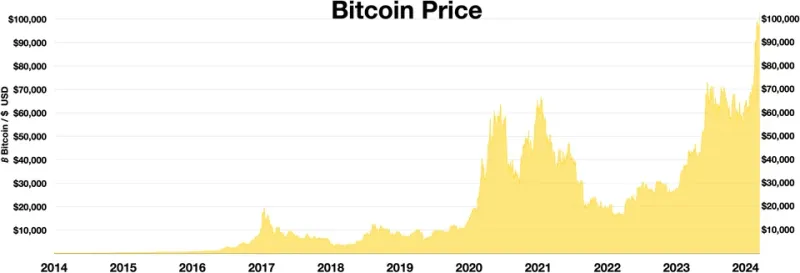
Let's say you bought 0.02 BTC at $30,000 per coin. By the time you use it to bet, Bitcoin is worth $60,000. You've already got an unrealized gain sitting in your deposit before the game even kicks off. If you win and then convert back to USD, the IRS is looking at both your gambling winnings and the appreciation on the crypto you used.
Traditional sportsbooks don't create this kind of layered tax situation. Crypto does.
What Actually Counts as Taxable Gambling Income?
The short answer: pretty much everything. The IRS requires you to report all gambling winnings as ordinary income, regardless of the form they take — cash, prizes, or yes, cryptocurrency. There's no minimum threshold for reporting, though sportsbooks and casinos are required to issue a W-2G form for wins over $600 (at 300-to-1 odds or more) or $1,200 on certain games.
Here's the kicker with crypto platforms: many offshore or crypto-native betting sites won't issue you a W-2G at all. That doesn't mean you're off the hook — it means the responsibility falls entirely on you to self-report accurately.
The IRS is very clear: if you win it, you report it. Period.
Keeping Records Is Your Best Defense
If there's one habit every crypto bettor needs to build immediately, it's documentation. Not just keeping a mental note of your big wins — we're talking a real, organized paper trail.
Here's what you should be tracking:
- Date of each bet placed and settled
- Amount wagered in both crypto and USD equivalent at time of transaction
- Amount won or lost in both crypto and USD equivalent
- The fair market value of the cryptocurrency at the time of each transaction
- Wallet addresses involved in the transaction
- Screenshots or exports of your betting history
Crypto price tracking tools like CoinGecko or CoinMarketCap let you look up historical prices by date, which is essential for calculating accurate USD values at the time of each transaction. Some bettors use spreadsheets; others use dedicated crypto tax software like Koinly, CoinTracker, or TaxBit, which can automatically import wallet transactions and calculate your gains.
The IRS has increased its focus on cryptocurrency reporting significantly in recent years. The question on the front page of Form 1040 — "At any time during the tax year, did you receive, sell, exchange, or otherwise dispose of any financial interest in any virtual currency?" — is there for a reason. Answering it incorrectly is a federal issue.
Can You Deduct Gambling Losses?
Yes — but with important limitations. Gambling losses are deductible, but only up to the amount of your gambling winnings, and only if you itemize deductions rather than taking the standard deduction. Given that the standard deduction is now over $14,000 for single filers, most casual bettors won't benefit from itemizing.
Professional gamblers operate under different rules and can deduct losses as business expenses, but qualifying as a professional gambler requires meeting a high bar — it needs to be your primary income source and you need to approach it with regularity and profit motive.
For most recreational bettors, the practical takeaway is this: keep records of your losses too, because they can offset your winnings and reduce your overall tax burden.
Staying Compliant Without Losing Your Edge
Nobody wants to think about taxes when they're riding a hot streak. But staying on the right side of the IRS doesn't have to kill your vibe — it just requires a little discipline.
A few practical moves:
Set aside a percentage of every win. A simple rule of thumb is to reserve 25-30% of crypto gambling profits in a separate wallet or account tagged specifically for taxes. That way, you're never caught short when April rolls around.
Use a crypto tax tool. Manually calculating gains across hundreds of transactions is a nightmare. Automated tools that sync with your wallets save time and reduce errors.
Talk to a tax professional who understands crypto. Not every CPA is up to speed on digital asset taxation. Finding one who specializes in cryptocurrency can be worth the consultation fee many times over.
Don't assume offshore means invisible. The IRS has shown it's willing to pursue unreported crypto income aggressively, including through blockchain analytics and exchanges that comply with reporting requirements.
The Bottom Line
Crypto gambling opens up a world of opportunities that traditional platforms simply can't match — faster payouts, better privacy, and more flexibility. But that freedom comes with responsibility, especially when it comes to taxes.
At GoBetVN, we believe smart betting means understanding the full picture, not just the odds on the board. The bettors who win long-term aren't just good at picking games — they're good at managing every aspect of their operation, including what happens after the final whistle.
Know the rules. Keep your records clean. And go bet smart.